
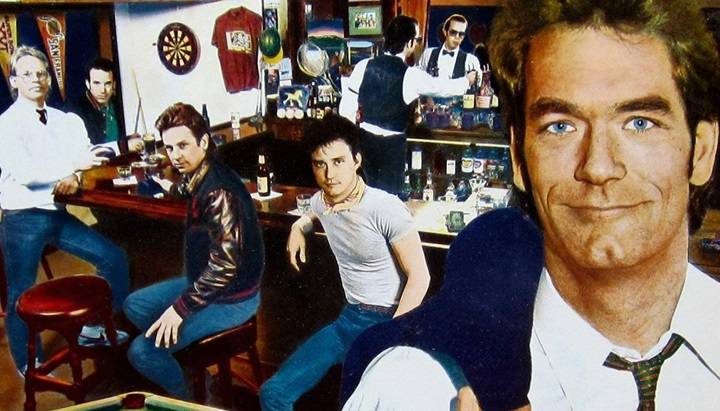
While the rest of the world was diving headfirst into synthesizers, slick videos, and neon dreams early in the 1980s, something very down to earth crept onto the radio. It was not flashy. It did not strive to be larger than life. But it was genuine. Tight. Elated. That record was “Sports”—the third Huey Lewis and the News studio album, appearing in 1983. And it was not an album. It was a middle-American anthem, a sunny manifesto for those still with belief in bar bands, blue jeans, and solos you could sing along with.
“Sports” was not meant to shock. It was meant to last. It was meant to be heard in convertibles, high school proms, smoky pubs and living rooms. It was music for all—and that is exactly what made it revolutionary.
The Band Before the Boom
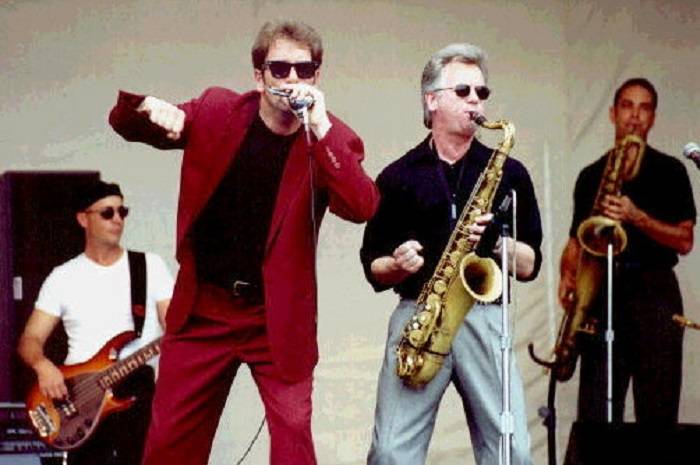
Before “Sports” made Huey Lewis and the News a household name, the band was sharpening their chops via California clubland. Sweated fine, constant live performances, and camaraderie had perfected Huey Lewis, the beaming harmonica-wielding front man with a grin more “next-door neighbor” than “rock god,” as he led a band that felt like your best friends hanging out to make music.
They had already released two albums—solid efforts that set the stage. But no one had any idea that the success of “Sports” was around the corner. The band had taken command. They insisted on artistic control. They made the album their own way. And in doing so, they captured lightning in a bottle.
Sports: Track by Track Legacy
The album came out on September 15, 1983, and it was lean—only nine tracks—but each and every one of them had a purpose, a punch, and a place in somebody’s heart. By the beginning of 1984, it was chart-climbing and didn’t look back until it went multi-platinum.
“The Heart of Rock & Roll”
The song starts with the strength of a heartbeat—a genuine one. It’s not just symbolic; it’s a mission statement. This is a song that informs the world that there is still authentic music happening in cities from L.A. to Cleveland.
It’s a brass band, high-energy tune with attitude. It’s a celebration of power, not a critique of power.
“Heart and Soul”
That opening guitar riff has a whammy of a memory. And to many, it is one. This was the song that turned heads. It’s raw and wanting, loaded with feeling and nakedness draped in a killer hook. It was one of the band’s largest singles, peaking at #8 on the Billboard Hot 100.
“Bad Is Bad”
Slide guitars, a sassy groove—a moodier, bluesier turn. “Bad Is Bad” is not an attempt at a hit single. It’s there to demonstrate to you that the band can rock and appreciate its roots. And strangely enough, it is very much its laid-back swagger that made it so cool.
“I Want a New Drug”
This was not a song about drugs, as the title indicated. This was a love song for a love that was painless, that didn’t hurt. The beat is infectious, trance-like. And the music video? An MTV classic of the early era, serving to further expose Huey and the band to America’s eyes.
It was so catchy that Ray Parker Jr. was later sued for plagiarism over the “Ghostbusters” similarity. They settled, but only made the song’s legend more real.
“Walking on a Thin Line”
A bold excursion into serious matter. This song touches on the horror of Vietnam vets, a dark and dangerous addition to a pop-rock record. It showed depth. It spoke for the pain that many preferred to ignore.
Other Tracks That Made Sports Whole
“Finally Found a Home” – Anthemic, upbeat, old-school bar-band bravado.
“You Crack Me Up” – A carefree, almost tongue-in-cheek tune permeated with warmth.
“If This Is It” – A tearjerker in disguise as doo-wop nostalgic. One of the band’s most beloved ballads.
Influence on 1980s Culture
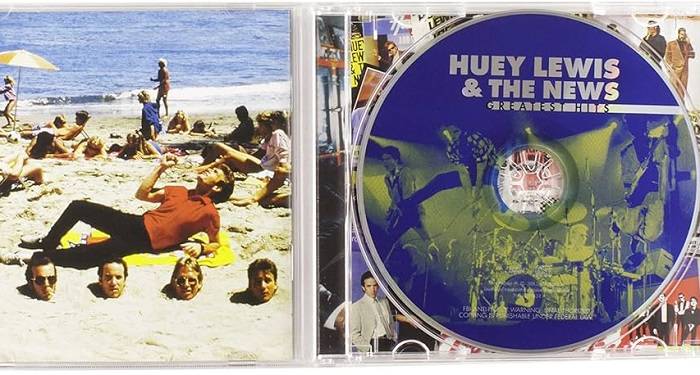
“Sports” wasn’t just successful—it was one of the top-sellers of 1984, alongside giants like Michael Jackson’s Thriller and Prince’s Purple Rain. But whereas those albums built worlds, “Sports” brought us our world, if a bit louder.
It was everywhere. You heard it in the mall, on the radio, in the roller rink. Whether you were a teenager or a truck driver, Huey Lewis and the News were talking to you.
Music Videos, MTV, and The Band’s Look
The band was part of the MTV generation but never got lost to it. Their videos were intelligent but not excessive. Their wardrobe was normal. Their personalities shone. They weren’t celebrities. They were like themselves.
Huey’s grin was mesmerizing. The chemistry between the band members was genuine. They laughed, danced, and had fun. And people noticed. They didn’t make music—they made people feel part of the scene.
Live Performances and Tour Culture
A Huey Lewis and the News show in the 1980s was sheer pleasure. No affectation. No fireworks. Just great performances, good-natured banter, and a crowd that sang along word for word. Playing amphitheaters or hometown fairs, they gave their all.
Those shows are so well-liked that many today recall them as among their most cherished memories. Parents swapped music. And children, no matter the shift in genres and decades, still sense that same feeling.
Why “Sports” Still Matters
In an era when albums get listened to in shuffles and snippets, “Sports” is a coherent experience. It’s like looking through a photo album of one whole generation’s teenage years.
It’s not nostalgia—it’s art. Every instrument is where it belongs. Every lyric is clear. It’s concise. It’s inspirational. It’s authentic.
And that’s why, 40 years later, folks still talk about it.
Huey Lewis: The Man Behind the Music
Huey wasn’t interested in being a rock god. He wanted to be honest. He spent his early years coming up in Marin County. He hitchhiked across the country, played street corner harmonica, and cut his chops in taverns before he ever saw a stage.
His voice? Underrated. His story? Real. His leadership? Steady and humble.
Even when he was woke up with the diagnosis of Meniere’s disease that affected his hearing and his ability to perform things, Huey was positive, grateful, and humble. He understood what he produced mattered to people—and that was all that mattered.
Huey Lewis and the News Today
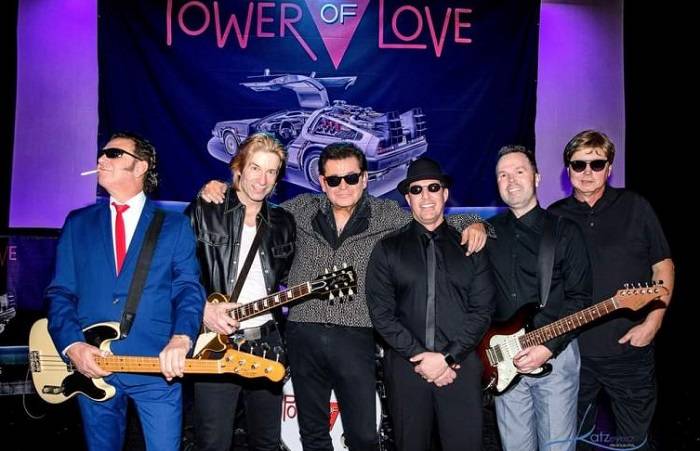
While live performances may be scarce nowadays due to Huey’s illness, the band’s reputation is not dissipating whatsoever. On the contrary, it’s growing stronger. Younger generations are listening to them. Vinyl re-issues sell. Songs like “The Power of Love” (for Back to the Future) are living again in pop culture.
In 2020, the band even released a new album—Weather—a bittersweet but sorrowful work that was one wave goodbye and thank you.
Legacy Beyond Charts
“Sports” sold millions. But its success is not in numbers. It’s in the heart. It made people have something to dance to. Something to cry to. Something to believe in.
It told people that rock & roll was not dead. That happiness did not have to be complicated. That the truth always triumphs.
Huey Lewis and the News demonstrated that you did not need to be cool or mysterious to be counted. You just needed to be good. And authentic.
FAQs
When did Huey Lewis and the News Sports come out?
It came out on September 15, 1983, and became an overnight phenomenon.
What are the Sports album hits?
“The Heart of Rock & Roll,” “I Want a New Drug,” “Heart and Soul,” and “If This Is It” are among them.
How many copies were sold for the album Sports?
Over 10 million copies worldwide, and it is among the best-selling albums in the 1980s.
Was Sports nominated for any award?
Indeed, it saw Huey Lewis and the News garner multiple Grammy nominations and cemented their positions in rock history.
Is Huey Lewis touring?
Due to hearing loss caused by Meniere’s disease, live shows are limited, but the band remains active with reissues and legacy projects.


