There is something reverent in holding the past in your hands—reading a newspaper article a hundred years old, viewing the world as its contemporaries did. In Dallas, Texas, this is not an uncommon experience; it’s a living legacy kept by the Dallas Morning News Archives. For more than a century, this newspaper hasn’t just covered history—it’s made it, recorded it, saved it, and opened it up to generations still to be born. When you delve into the archives of the Dallas Morning News, you aren’t just looking for information. You are entering the pulse of Dallas itself.
The archive is a mirror of every decade Dallas has survived—good and bad, happy and sad. It has followed the growth of the city from a tiny frontier settlement to a bustling financial and cultural hub. Unpaved streets to electronic skylines, every step along the way is documented in the archives, each page a snapshot of a moment in time. Whether you’re researching genealogy, tracing city development, revisiting sports glories, or understanding civic struggles, the Dallas Morning News Archives remains the most intimate guide into the soul of the city.
Preserving Stories from the Beginning
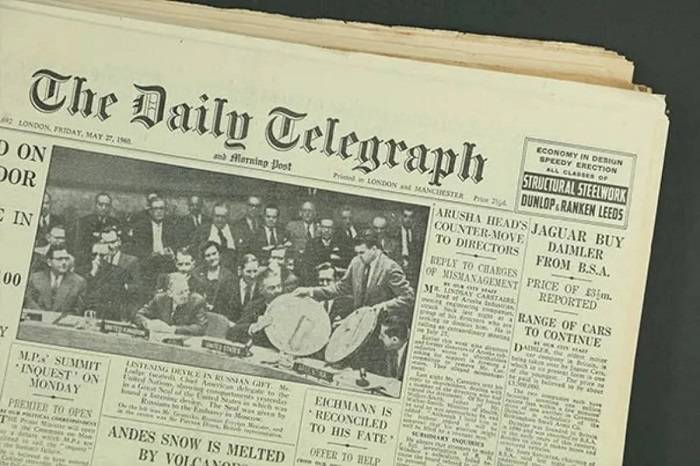
Established in 1885, the Dallas Morning News soon became the region’s trusted voice. It was never merely a matter of reporting the news—it was a matter of mirroring the lives of Dallas citizens, keeping the government in check, celebrating community victories, and pointing out injustices. In its first pages are found announcements of cotton prices, news from cattle towns, and editorials written with a sense of urgency on railroads, oil, and the prospect of a brighter future.
The Dallas Morning News archives provide these pages from decades ago. The value isn’t just academic. For families, it becomes personal. A grandson learns of his grandfather’s enlistment in the war. A teacher reads aloud in class accounts of the civil rights movement. A historian reconstructs the local reach of a national tragedy. These archives translate memory into tangible proof.
Windows into American History
As you read through the Dallas Morning News Archives, you don’t learn about events as distant records, but as near journalistic fact. The John F. Kennedy assassination—whose motorcade passed him through downtown Dallas—unfolds in heart-wrenching real time in front pages, photographs, and public reactions. Tornado disasters, economic booms, protests, droughts, space race triumphs—each has its grand echo in these archives.
More than once, the newspaper led investigations that shook power structures or rallied support for reform. And all of it—every headline, every letter to the editor, every community photograph—is preserved in the archive. It doesn’t matter whether you’re reading from 1929 or 2023. The emotion bleeds through the ink.
A Record of Neighborhoods, Families, and Lives
One of the most powerful things about the Dallas Morning News Archives is the way it grounds personal history in location. Even in the pre-social media era, obituaries were where life stories were shared. Wedding announcements proclaimed marriages. Birth notices, career advancements, sports achievements—all had their spot on the page. And years down the line, those listings turn into treasured mementos.
People return to the archives not just to discover Dallas—but to discover themselves. A father who passed away years ago is remembered in a Little League newspaper photograph. A business that closed its doors in the ’80s is re-lived through a favorable review. A speech by a activist during the civil rights movement continues to inspire through yellowed pages and bold-type headlines.
Every newspaper is a first draft of history—but the Dallas Morning News Archives put a face on that history.
Local Politics and Public Accountability
Throughout decades of coverage, the newspaper did not relent from its role as a civic watchdog. Through city council meeting stories archived, mayoral elections, school board elections, and property taxes, the Dallas Morning News Archives provide researchers and citizens with a record of evolving policy and public priorities through the years. You can read along as the infrastructure wars were waged, as city leadership passed from one to another, as neighborhoods responded to phenomena like redlining, desegregation, or immigration.
What you’ll find is not just information—but context. A 1956 article can show you the ache of growth. A 1982 report strips away fears about downtown development. A 2005 article can explore gentrification tensions. With the archives, you don’t just get the facts. You take the pulse of civic conscience.
Cultural and Sporting Heritage
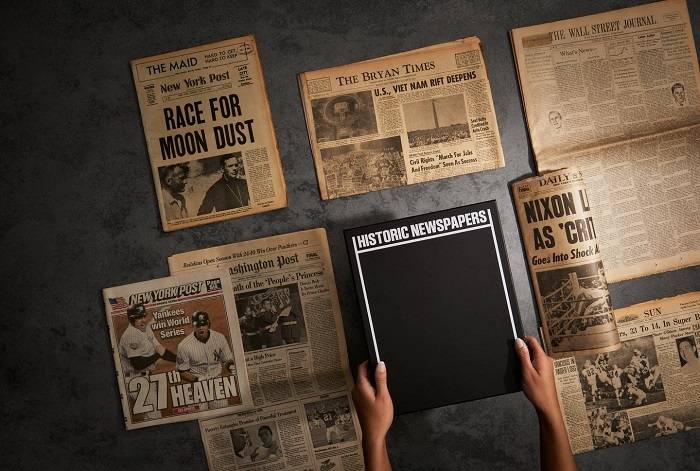
Dallas has been a city of innovation, music, and sports. The Dallas Morning News archives reflect that with news that spans from Bob Wills and the roots of Western swing to Erykah Badu’s chart-topping success. The rise of the Dallas Cowboys is documented game by game, season by season, so that fans can relive victories, setbacks, and moments that shaped Texas sports identity.
Arts stories, theater reviews, concert announcements, and museum shows also call the archives home. For students, artists, and researchers, these aren’t just resources—they’re a rich visual and narrative documentation of how Dallas has embraced culture over time.
Education and Research Tools
Schools across Texas and beyond turn to the Dallas Morning News Archives for trusted primary sources. Educators use archived articles to provide students with eyewitness testimony. Thesis writers at colleges and universities cite the newspaper when researching social change. Museum curators page through old editions to build exhibits on a foundation of accuracy.
It’s more than just a compendium of newspapers—it’s a living classroom of life experience. It’s history told not in textbooks, but in voices, headlines, and lived detail that makes learning live.
Digital Transformation Without Losing Its Soul
Once in library microfiche or in yellowing clippings tucked into envelopes, the Dallas Morning News Archives are now online and searchable. This new digitization hasn’t detracted from the paper’s character—it’s opened it up. Readers can type in a date, event, or name and uncover dozens of pertinent results, making research painless but still deeply impacting.
For all the ease of online access, there is a sense of respect. Archivists control the quality of the scans, the legibility of text, and the integrity of images. The past does not feel distant here—it feels within grasp.
A Story Still Being Written
The blessing of the Dallas Morning News Archives is that they’re incomplete. There’s always another chapter to be written. Today’s weather alerts, school lockdowns, election polls, theater openings, and neighborhood murals are tomorrow’s history. Every page written today will be among what some future reader discovers.
As journalism evolves, so does archiving. Metadata tagging, AI search capabilities, and cloud‑based backups ensure the preserving isn’t only for researchers—but for all citizens who have an interest in where they live and who came before them.
The mission of the archives remains what it always has been: to remember Dallas honestly, completely, and respectfully.
FAQs
How do I access the Dallas Morning News Archives?
You can access the archives through the Dallas Morning News website or through local libraries that have digital subscriptions.
Is the Dallas Morning News Archive free to access?
There is some free content, but full access usually requires a subscription or library log-in credentials.
Can I access old obituaries in the Dallas Morning News Archives?
Yes. Obituaries from decades past are included in the archives and can be searched by name, date, or keyword.
Are scanned newspaper images available in the archive?
Yes, the majority of archived articles include original scanned newspaper images along with text versions.
How far back does the Dallas Morning News Archives extend?
The archive includes articles from the paper’s inception in 1885 through today.