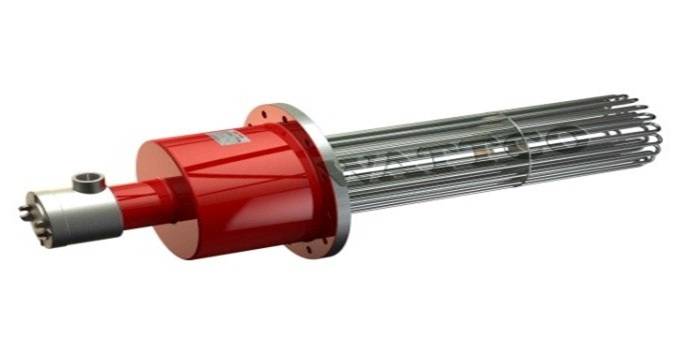
Industrial immersion heaters play a major role in various sectors by providing efficient and controlled heating solutions. They can be put directly into liquids, gases, or substances, and these devices are versatile, efficient, and easy to install. The following overview delves into the key features of industrial immersion heaters and explores their diverse applications in industries such as oil and gas, chemical processing, water treatment, and more.
An industrial immersion heater is a device used to heat liquids, gases, or other substances in industrial processes by immersing the heating element directly into the material to be heated. These heaters are commonly used in tanks, vats, and other containers where direct heating is required. The heating element, often made of materials like stainless steel or other corrosion-resistant alloys, is immersed in the substance, and electrical power is applied to generate heat. Let us talk about their benefits and applications today.
Key Features of Industrial Immersion Heaters
Versatility: They can be used in a variety of industrial applications, including oil and gas, chemical processing, food and beverage, water treatment, and more.
Efficiency: Immersion heaters are known for their efficiency because they directly transfer heat to the substance without the need for intermediate components.
Ease of Installation: These heaters are typically designed for easy installation and removal, allowing for maintenance or replacement when needed.
Temperature Control: Many immersion heaters come with temperature control features to maintain precise temperature levels in the industrial process.
Variety of Designs: Immersion heaters come in various designs, such as flanged, screw-plug, or over-the-side heaters, to suit different applications and installation requirements.
Materials of Construction: The materials used in the construction of immersion heaters are chosen based on the properties of the substances being heated. Common materials include stainless steel, titanium, and other corrosion-resistant alloys.
Applications of Industrial Immersion Heaters
Industrial immersion heaters find applications across various industries where precise and controlled heating is essential. Some common applications include:
Oil and Gas Industry: Industrial immersion heaters are integral to the oil and gas sector, serving diverse applications. They play an important role in heating oil and gas to maintain efficient manufacturing processes.
Chemical Processing: In the realm of chemical processing, immersion heaters are found to be extensively used for heating chemical solutions required in reactions or processing. Their application extends to maintaining precise temperature levels in chemical reactors and storage tanks. This versatility makes them indispensable in ensuring the success and efficiency of chemical manufacturing processes.
Water Treatment: Water treatment facilities leverage industrial immersion heaters for various purposes. These heaters are crucial for heating water in treatment processes such as sterilisation or chemical treatment. Moreover, they play a key role in boiler systems, contributing to steam generation for broader water treatment applications.
Food and Beverage Industry: Immersion heaters benefit the food and beverage industry in several critical processes. From general production heating to specific applications like chocolate and sugar melting, these heaters contribute to the efficiency of manufacturing.
Plating and Surface Treatment: Industries involved in plating and surface treatment heavily rely on immersion heaters. These heaters are employed for the precise heating of plating baths in metal finishing processes, ensuring the quality of the finished products. Anodising processes for materials like aluminium also benefit from the controlled heating provided by immersion heaters.
Pharmaceutical Industry: Immersion heaters play a vital role in the pharmaceutical sector’s manufacturing processes. They heat liquids required in various pharmaceutical production stages, contributing to drug formulation. The precise temperature control provided by these heaters is crucial for maintaining the integrity of pharmaceutical products.
Electronics Manufacturing: The electronics industry utilises immersion heaters in semiconductor and PCB manufacturing processes. These heaters contribute to the temperature control necessary for the production of electronic components, ensuring the quality and reliability of the final products.
Aerospace Industry: Immersion heaters play a significant role in the aerospace industry, where precise temperature control is critical. They are employed to heat fluids in various manufacturing processes and contribute to the thermal testing of components. The reliability of immersion heaters is crucial in maintaining the stringent quality standards required in aerospace applications.
Textile Industry: Immersion heaters are applied to various processes within the textile industry. They contribute to dyeing and finishing processes, maintaining specific temperatures in dye vats for optimal colour application and quality in textile products.
Power Generation: The power generation sector incorporates immersion heaters in boiler systems for power plants. Additionally, these heaters play a role in combined heat and power (CHP) systems, contributing to the generation of steam and heat essential for power production.
In conclusion, industrial immersion heaters are crucial tools across a variety of industries, offering precise and controlled heating solutions. Their adaptability, efficiency, and ease of installation make them essential for diverse applications, from maintaining optimal quality in the oil and gas industry to contributing to the quality and safety of products in the food and beverage sector. If you are looking for these heaters, you should check out the collection of heaters by Marathon Heaters. Their high-quality heaters are the best in the market, and they can largely improve your products’ manufacturing processes.